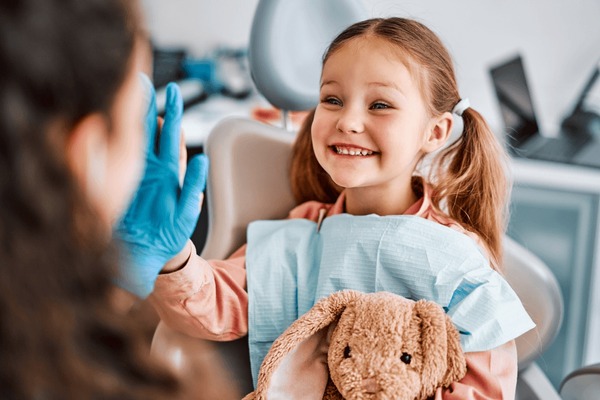
Good oral hygiene practices established during childhood can lead to a lifetime of healthy habits. This article aims to guide parents in connecting their school-aged children with oral health education and practices, ensuring they understand the importance of maintaining good dental hygiene.
For children, the impact of oral health extends beyond physical discomfort. Dental problems can lead to missed school days due to pain or treatment appointments, affecting academic performance and self-esteem. Children with untreated dental issues may feel embarrassed about their appearance or struggle with social interactions. As a parent, understanding these implications is crucial for fostering a positive attitude toward oral health in your child.
Start by educating yourself
Before you can teach your children about oral health, it’s essential to have a solid understanding of the topic yourself. Familiarize yourself with the basics of dental care, including the importance of brushing and flossing, the role of diet in oral health, and the significance of regular dental check-ups. Resources like the American Dental Association (ADA) website or consultations with your family dentist can provide valuable information.
Establish a Routine
Children thrive on routine. Establishing a consistent oral hygiene routine at home will help reinforce the importance of dental care. Encourage your child to brush their teeth twice daily—once in the morning and once before bed—and floss daily. Make it a family activity by brushing your teeth together, which can turn an ordinary task into a fun bonding experience.
To keep your child engaged in their oral hygiene routine, make brushing fun! Allow them to choose their toothbrush and toothpaste flavors. Consider using a timer or playing a favorite song while they brush to ensure they brush for the recommended two minutes. You can also use educational apps or videos that teach proper brushing techniques through engaging animations.
Communicate with School Staff
Schools play a vital role in promoting oral health among students. Many schools have programs that educate children about proper dental care and nutrition. As a parent, you can communicate with teachers or school nurses about incorporating oral health education into the curriculum or organizing events like “Dental Health Month.”
Encourage your child’s school to collaborate with local dental professionals for workshops or free screenings. Engaging with school staff can foster a community approach to promoting oral health among students.
Use Technology Wisely
In today’s digital age, technology can be a powerful tool for promoting oral health education. There are numerous apps and websites designed for children that make learning about dental care interactive and enjoyable. Look for games that teach kids about brushing techniques or quizzes that reinforce knowledge about healthy eating habits.
YouTube also has educational channels that provide entertaining content related to oral hygiene. Just ensure that any online resource is age-appropriate and accurate in its information.
Address Fears and Anxiety
Many children experience anxiety about dental visits or fear associated with dental procedures. As a parent, it’s essential to address these feelings openly and empathetically. Encourage your child to express their fears and reassure them that it’s normal to feel anxious.
Talk about what happens during dental visits and emphasize the importance of taking care of their teeth for their overall health. If necessary, consult with your dentist about strategies to help alleviate your child’s anxiety before appointments.
Foster Independence
As children grow older, it’s important to foster independence in their oral hygiene routines. Encourage them to take ownership of their brushing and flossing habits while providing guidance when needed. Allow them to choose their toothbrushes and toothpaste as they develop their preferences.
By empowering your child to manage their own dental care, you help instill responsibility and confidence in maintaining their oral health.