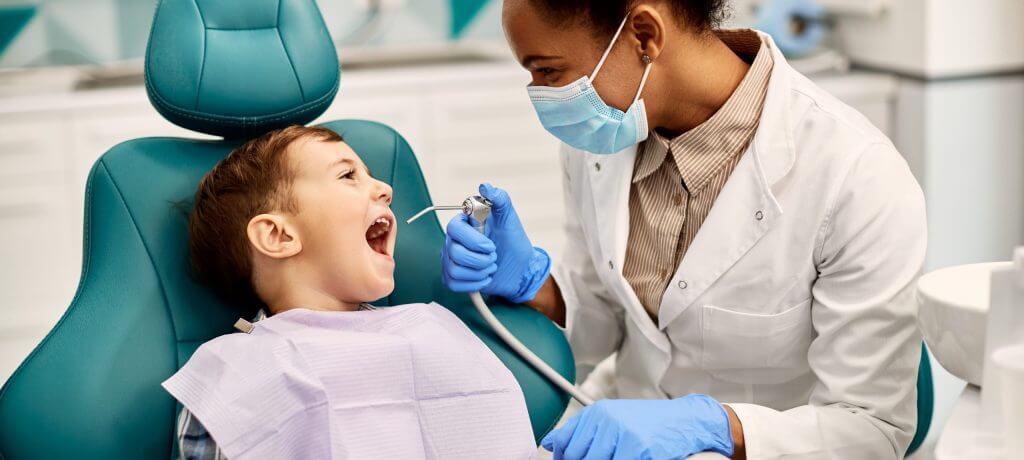
Pediatric dentistry often presents unique challenges, especially when it comes to managing anxiety in young patients. Nitrous oxide, commonly known as laughing gas, has been a longstanding means in the arsenal of pediatric dentists to relieve discomfort during dental procedures.
This article explores the use of nitrous oxide in pediatric dental clinics, focusing on its safety, efficacy, and benefits for both patients and practitioners.
What Is Nitrous Oxide?
Nitrous oxide (N2O) is a colorless, odorless gas with mild sedative and analgesic properties. It has been used in dentistry since the 19th century and is well-known for its ability to induce relaxation and reduce pain perception without rendering the patient unconscious. Nitrous oxide is typically administered through a mask that fits over the patient's nose, allowing them to breathe in a controlled mixture of nitrous oxide and oxygen.
Safety Considerations
One of the primary concerns in pediatric dentistry is ensuring the safety of young patients. We can say that Nitrous Oxide is safe to use with children when administered by trained professionals in appropriate concentrations. The American Academy of Pediatric Dentistry (AAPD) has established guidelines for the use of nitrous oxide in pediatric dental settings, emphasizing the importance of proper equipment, monitoring, and staff training. Side effects of nitrous oxide are generally mild and transient, including dizziness, nausea, and headache, but serious complications are rare.
Efficacy in Managing Anxiety
Anxiety and fear are ordinary reactions among children visiting the dentist, often leading to difficulty in performing necessary procedures. Nitrous oxide provides a valuable solution by inducing a state of relaxation and reducing anxiety levels in pediatric patients. By helping children feel more comfortable and cooperative during dental appointments, nitrous oxide enables dentists to deliver high-quality care more effectively. Moreover, the reversible nature of nitrous oxide sedation allows for quick recovery, enabling patients to resume normal activities shortly after treatment.
Benefits for Pediatric Patients
The use of nitrous oxide offers several benefits for pediatric dental patients. Firstly, it helps relieve fear and anxiety, making dental visits a more positive experience for children. This can have long-term implications for their oral health, as it promotes regular attendance and compliance with dental care recommendations. Additionally, nitrous oxide can enhance communication between the dentist and the child, fostering trust and cooperation. For children with special needs or behavioral challenges, nitrous oxide can be particularly beneficial in facilitating successful dental treatment.
Practical Considerations for Dentists
Integrating nitrous oxide into a pediatric dental setting demands meticulous preparation and assessment. Dentists should verify the availability of necessary equipment, including a scavenging system to reduce the risk of waste gas exposure. Staff members should receive comprehensive training in the administration and monitoring of nitrous oxide, including recognizing signs of sedation depth and managing any adverse reactions. Additionally, dentists should obtain informed consent from parents or guardians before administering nitrous oxide to pediatric patients, explaining the procedure, its benefits, and potential risks.
Can We Trust Nitrous Oxide?
Nitrous oxide continues to be a valuable tool in pediatric dental clinics for managing anxiety and discomfort in young patients. When used appropriately, nitrous oxide is safe, effective, and well-tolerated, offering numerous benefits for both patients and practitioners. By incorporating nitrous oxide into their practice, pediatric dentists can enhance the quality of care they provide and create a more positive dental experience for children.