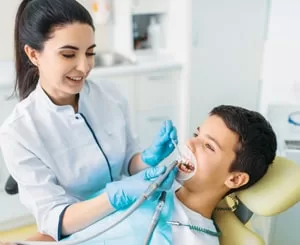
Orthodontic treatment plays a vital role in improving a child’s dental function and appearance. Braces are designed to align teeth and correct bite issues, but their removal doesn’t mark the end of the process. One of the most common post-treatment concerns is the shifting of teeth, which can gradually undo the results achieved. Understanding the reasons behind this movement and the steps to prevent or address it is crucial for maintaining a healthy smile.
Why Do Teeth Shift After Braces?
Teeth are supported by the periodontal ligament—a living, flexible tissue that allows for minor natural movement. During orthodontic treatment, this mobility is essential for repositioning teeth. Once braces are removed, however, the surrounding bone and soft tissue require time to stabilize. Without proper retention, teeth may begin to drift back toward their original positions, a phenomenon known as relapse.
The Critical Role of Retainers
One of the leading causes of teeth shifting is the failure to wear retainers as prescribed. Retainers are custom devices designed to hold teeth in place after braces. There are several types available, including removable models like Hawley and clear plastic retainers, as well as fixed retainers bonded behind the teeth. Pediatric dentists stress the importance of consistent retainer use, especially in the months immediately following orthodontic treatment, when the teeth are most vulnerable to movement.
Growth, Habits, and Other Influences
Beyond retainer compliance, natural growth can impact the alignment of teeth. As children grow, their jaws continue to develop, which may exert new pressure on teeth. Additionally, certain oral habits—such as nail biting, tongue thrusting, or inconsistent oral hygiene—can contribute to unwanted movement. Monitoring these behaviors and scheduling regular dental checkups are essential steps in protecting the outcomes of orthodontic treatment.
Eruption of New Teeth
In some cases, teeth may shift due to the eruption of permanent teeth after braces have been removed. For younger patients who complete orthodontic treatment before all permanent teeth have emerged, close follow-up is especially important. Pediatric dental professionals may recommend space maintainers or periodic evaluations to ensure new teeth align properly without disturbing the corrected bite.
Addressing Post-Treatment Shifting
If teeth begin to shift, early intervention is key. Minor relapse can often be corrected using clear aligners or brief retreatment with braces. In some instances, a new or modified retainer may be recommended to stabilize the current position. The sooner these shifts are addressed, the more conservative and effective the corrective measures tend to be.
What Parents Can Do
Parents play a crucial role in maintaining orthodontic results. Regularly checking for subtle changes—such as reappearing gaps or slight crowding—can help catch issues early. Reinforcing consistent oral hygiene, ensuring proper retainer care, and attending all scheduled follow-up visits are vital components of long-term retention.